
MINDSET

Why lasting change begins with improving mental models, and how leaders facilitate the learning to improve them.
WHITE PAPER
In the spring of 2002, the Oakland Athletics walked into a season they had no business winning. The previous October, after winning 102 games and pushing the New York Yankees to a fifth and decisive playoff game, Oakland watched three of its best players walk out the door. Jason Giambi, the reigning American League MVP, signed with the Yankees. Johnny Damon, the leadoff hitter, signed with the Red Sox. Jason Isringhausen, the closer, signed with the Cardinals. The reason was money. Oakland's payroll for the coming year would be roughly $40 million. The team they were chasing would spend more than $125 million. By the standards of the sport, the math was finished. Owners counseled patience. Sportswriters told their readers Oakland was rebuilding.
They should resign themselves to a losing season. And then it didn't happen.
That summer the Athletics won 103 games. They won twenty in a row, the longest winning streak in the history of the American League. They went back to the playoffs. They did it spending less than a third of what their rival spent.
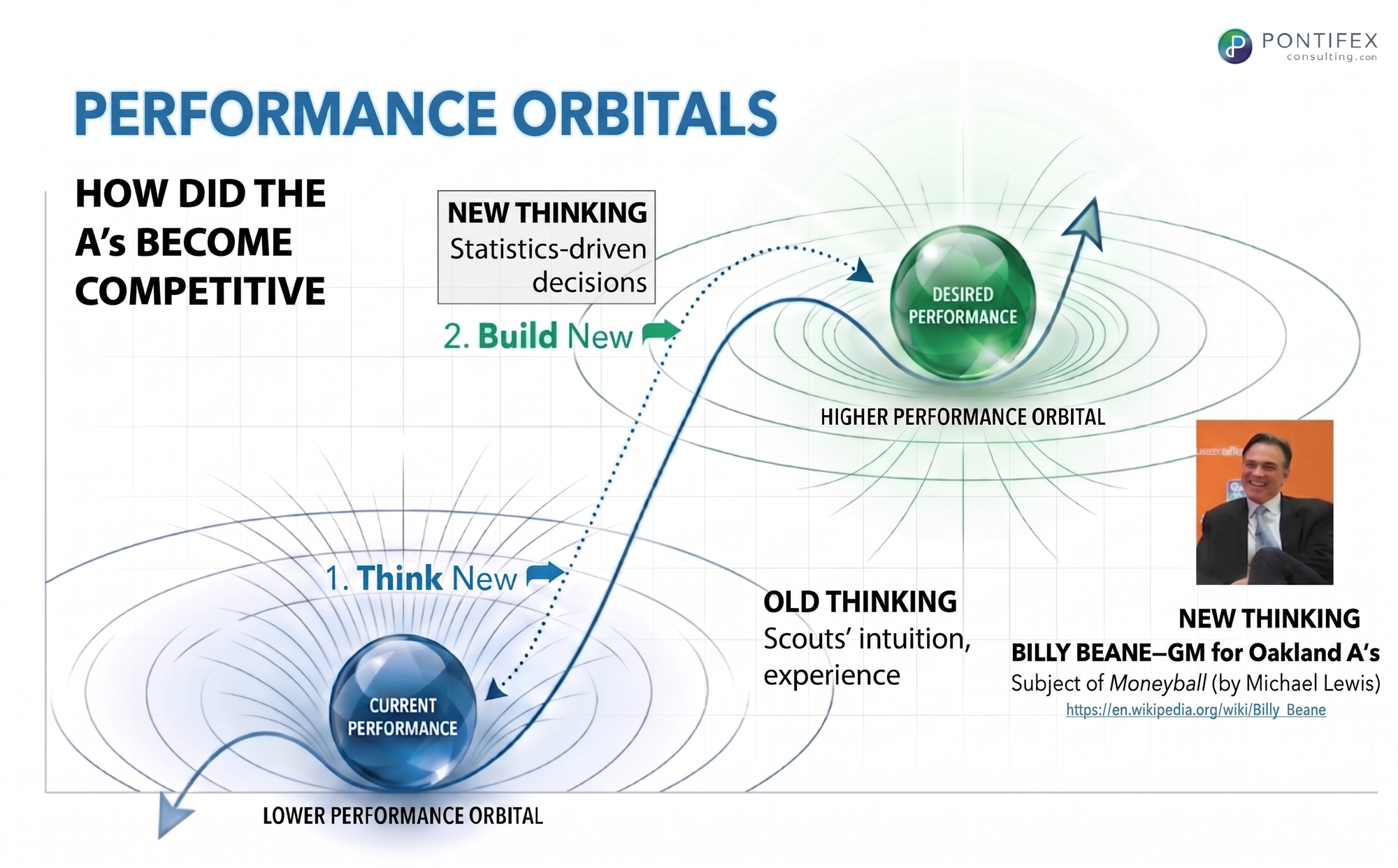
What Billy Beane and his assistant Paul DePodesta had done was abandon the mental model the sport had used to judge players for more than a century. For a hundred years a player's value had lived in the heads of professional scouts: the look of him in a uniform, the smoothness of his swing, the famous "good face." Bill James had spent twenty-five years showing, with patient arithmetic, that the most valuable thing a hitter can do is simply not make an out. Baseball ignored him. The men who ran the game already knew what a ballplayer looked like.
Within a few years Boston had hired Bill James and won its first World Series in eighty-six years. Within a decade every front office in the sport had been remade in Oakland's image. The system the A's had been competing inside of in 2001, the one in which a $40 million franchise cannot beat a $125 million franchise, was no longer the system anyone was playing in. A different game had begun.
Systems don't slide. They jump.
Barry Richmond, who taught at Dartmouth and later founded isee systems, had a particular way of describing system performance, and he took it from physics rather than from management. Systems do not perform on a smooth gradient. They perform in orbitals: stable bands of behavior held in place by the forces that shape them. A system fluctuates inside its orbital, and it does not drift out of one without something significant changing.
Organizations behave this way. So do agencies, coalitions, school districts, and entire fields of practice. Whatever else these systems differ on, they share the physics.
A lower orbital is not a sign that nobody is trying. The 2001 Athletics were trying extremely hard. Portugal, facing a heroin crisis that had reached nearly one percent of its population, was trying hard too, applying enforcement and prosecution and imprisonment year after year while the numbers got worse. So is every agency, district, and coalition currently stuck in the orbital it wants to leave. A lower orbital means the structure is producing the result it was built to produce. Another quarter of incremental effort, another round of best practices, another well-intentioned initiative: these add energy, but rarely the right kind, and rarely enough. The system absorbs the bump and settles back where it was.
What actually holds an orbital in place
The temptation is to answer that question with a list of factors. Politics. Budgets. Culture. Inertia. Resist the list, and ask instead how the thing actually works.
The visible answer is structure: rules, policies, budgets, org charts, procurement procedures, performance metrics, funding cycles. That machinery is real, and it is not the deepest cause. Beneath it sits the shared mental model the structure expresses. It is the collective answer to "what work are we actually here to do?", "what do the people we serve actually need?", "what counts as quality?", "who gets to decide?" Those answers are usually unspoken and almost never examined. They are also usually correct enough to have produced the success the system once enjoyed. That is what makes them so hard to see, and so hard to change.
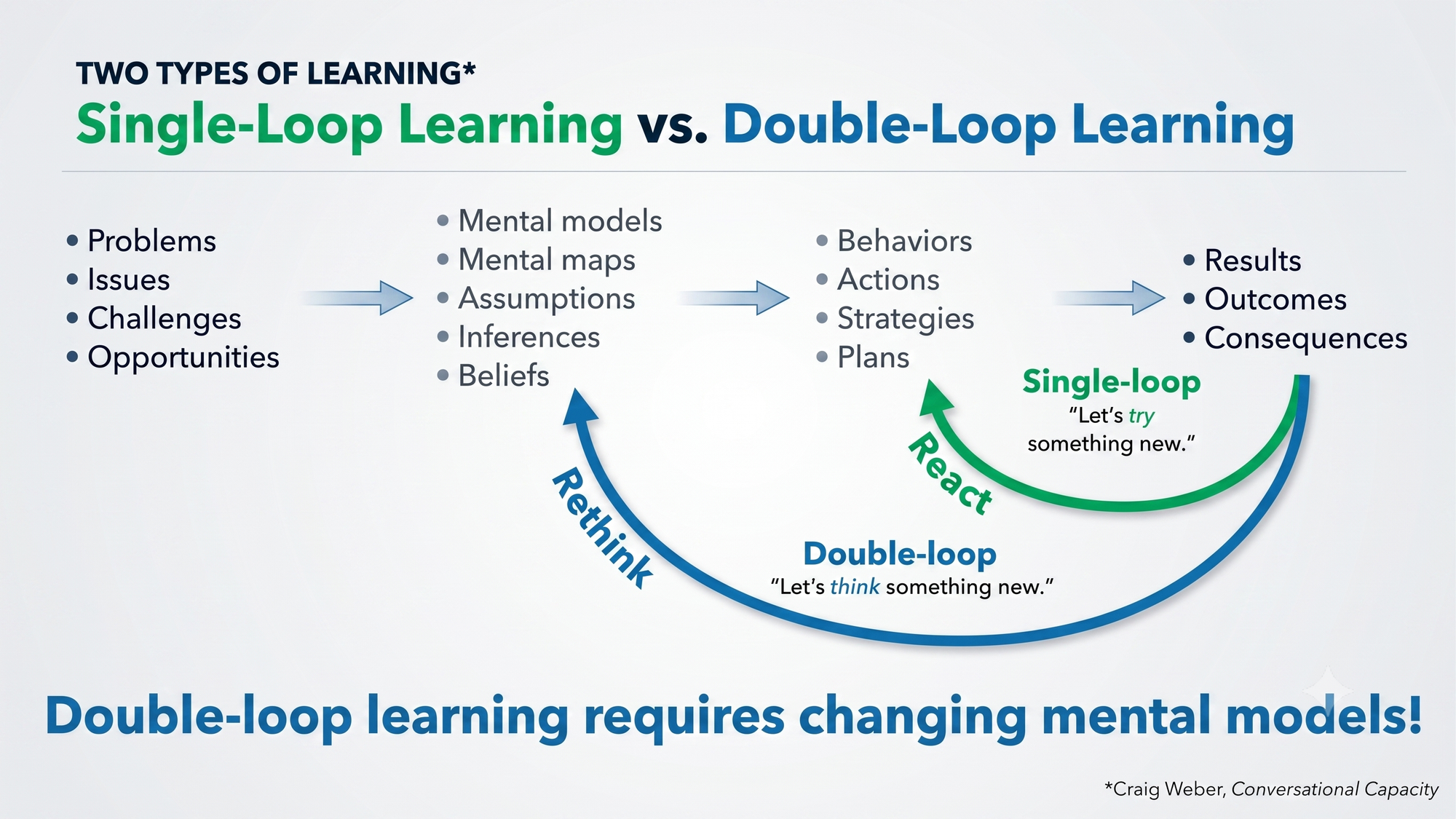
Chris Argyris gave the two kinds of learning their names. Single-loop learning corrects the action: something goes wrong, you adjust, you patch the procedure, you try harder. A thermostat learns this way, and never once asks whether 68 degrees is the right temperature. Double-loop learning reaches past the action to the model producing it.
That is what Beane did in Oakland. It is what Portugal's national commission did in Lisbon in 1998, when it concluded that the country's failure ran deeper than bad enforcement. The model underneath the laws was wrong: addiction as crime, users as criminals, punishment as cure. Portugal reclassified personal possession as a public health matter in 2001 and moved the money from prosecution into treatment. Over the following decade, HIV infections among drug users fell by more than 95 percent, and the share of the prison population serving time for drug offenses fell from 44 percent to 24 percent. No new medicine was invented. What changed was the set of assumptions governing how the problem was defined and who owned it.
Double-loop learning is uncomfortable work. It exposes the possibility that people who spent careers mastering the existing model have been mastering the wrong thing. It is also the only kind of learning that has ever moved a system from one orbital to another.
Why so many transformations don't take
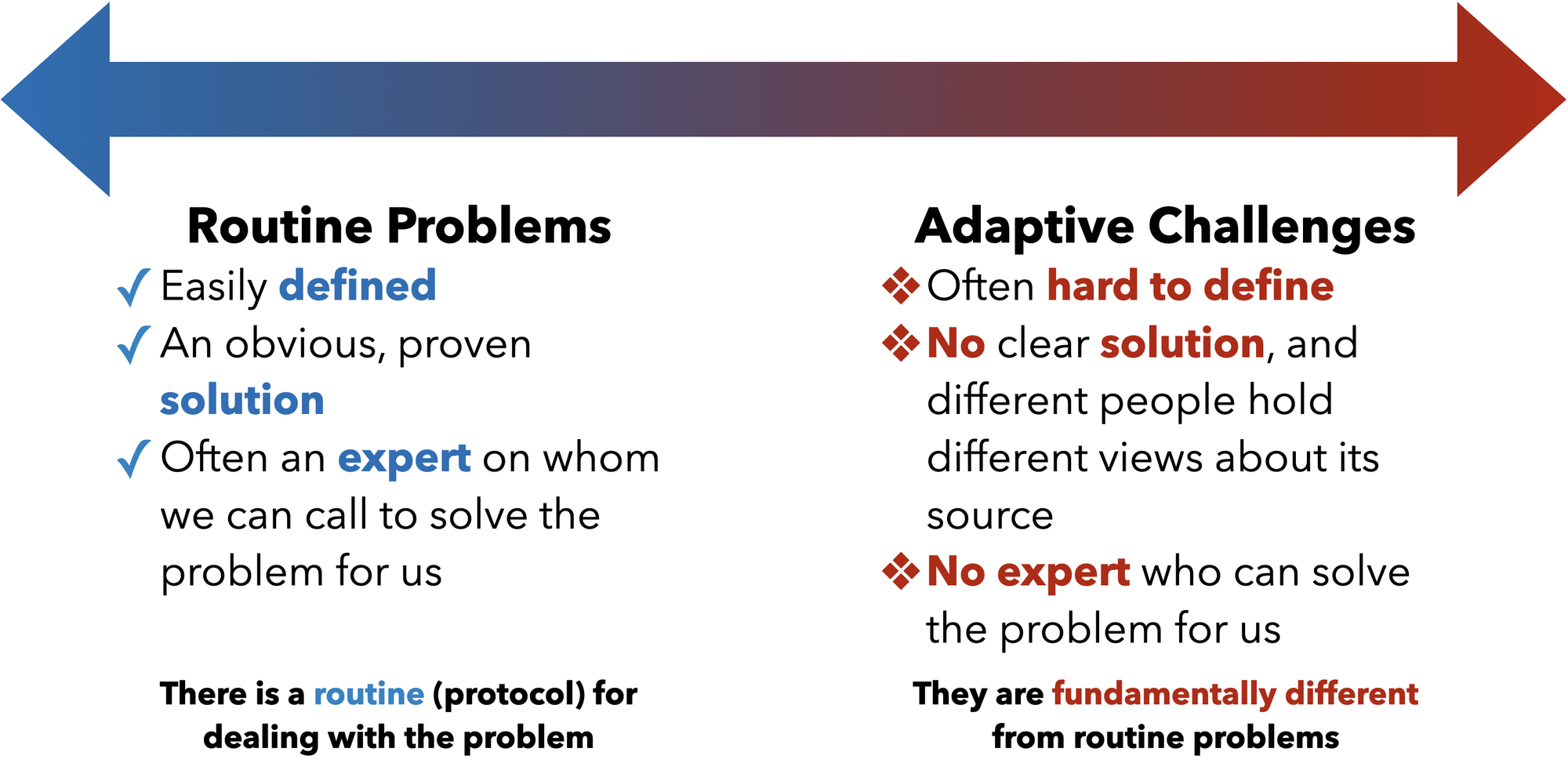
Most of them were attempted as routine work. Ronald Heifetz's distinction is the one to keep. A routine problem is one where the know-how exists, the authority to act is clear, and the path from problem to solution can be drawn in advance. Routine problems can be enormously complex. Landing an aircraft. Performing surgery. Running a national election. Their complexity is the kind that yields to expertise.
An adaptive challenge is different in kind. Nobody yet knows what the path is, and solving it requires people to change their values, habits, loyalties, and ways of working. The expertise that produced past success may actively obstruct future success. Beane's challenge in 2002 was adaptive. The routine version of it ("assemble a roster on $40 million") had a known answer that everyone in the league understood, and that answer was: lose.
When an adaptive challenge gets handled as a routine one, the pattern is familiar. New software gets installed. New procedures get documented. A strategic plan circulates, committees get renamed, the org chart gets redrawn. The mental models don't shift, the loyalties don't move, and eighteen months later the system is producing what it produced before. The diagnosis afterward is almost always some version of "we tried, it didn't take." The work was misdiagnosed at the start.
What's in the paper
System Transformation: An Introduction is the opening chapter of the System Transformation Guide, and it makes this case at full length: Oakland and Portugal in detail, the Bureau of Engraving and Printing holding on to steel-plate engraving while the world switched to peel-and-stick, Xerox inventing the personal computer and failing to recognize it as something Xerox would ever sell, and Laurence Gonzales's mountain climbers, who die on familiar mountains because they expect conditions to match their last successful ascent. It takes up Jennifer Pahlka's Three Horizons distinction between reform that builds the next system and reform that quietly extends the life of the failing one. And it lays out the Five Phases the guide is organized around:
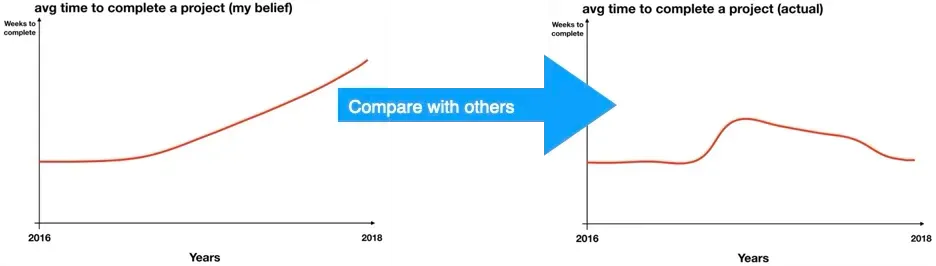
- Frame the Right Problem: separating adaptive challenges from routine ones, and drawing the trend you're trying to bend before anyone argues about strategy.
- Work Across Boundaries: who actually has to be in the room, and the conversational capacity to keep them there.
- Improve Mental Models: surfacing assumptions, recognizing the archetypes that make well-intentioned interventions backfire, and building a shared causal picture a group can argue with.
- Apply Action Learning: turning that picture into a testable hypothesis, so you find out early whether reality agrees.
- Build Adaptive Leadership Capacity: the phase most guides skip, and the one that decides whether any of this outlives you.
The paper is free, it runs about 30 pages, and you can read it in an evening.
Then come work it with other practitioners
Reading the argument is the easy part. The hard part arrives on a Tuesday morning, when you're standing in front of fourteen people who report to different bosses, hold different theories of the problem, and have already survived two failed transformations. Somebody has to ask the question that surfaces the assumption nobody has said out loud. Somebody has to keep the room in the inquiry at the exact moment it wants to bolt for a decision. That somebody is you, and no argument, however well made, tells you what to say at 9:15.
We acquire the skills to lead transformation by doing the work on problems we care about, often poorly at first, with somebody to compare notes with. Pilots don't learn to fly by studying aerodynamics. They log hours.
The Orbital Shift Lab is where those hours get logged. It's the practitioner community for consultants, facilitators, OD professionals, and internal change agents who run these sessions for a living or are moving toward it. Members bring a real challenge, get help framing it, come back with what happened, and find out how somebody in a county health department solved a problem that looks nothing like theirs and turns out to be the same problem underneath. Every member gets a starter set of facilitation exercises free, so you can run one with a real group before you pay for anything. Subscribing members get the complete guide, every exercise deck in both self-guided and facilitated modes, the full facilitation layer, live practice sessions, and direct access to me.
If you'd like to learn more about how to guide system transformation...
Join Us
Our mental models set our performance orbital. They do more than hold our systems in place. They hold us in place. So the work begins there, and it begins better in company than alone.
If your work sits in public health, climate, education, democracy, or humanitarian response rather than in consulting or OD, the sister community is The Flourishing Constellation at flourishingconstellation.com. Joining is free, and so is the starter set of exercises.
If you'd like to learn more about how to support system transformation across society as we navigate a range of interconnected, systemic issues...

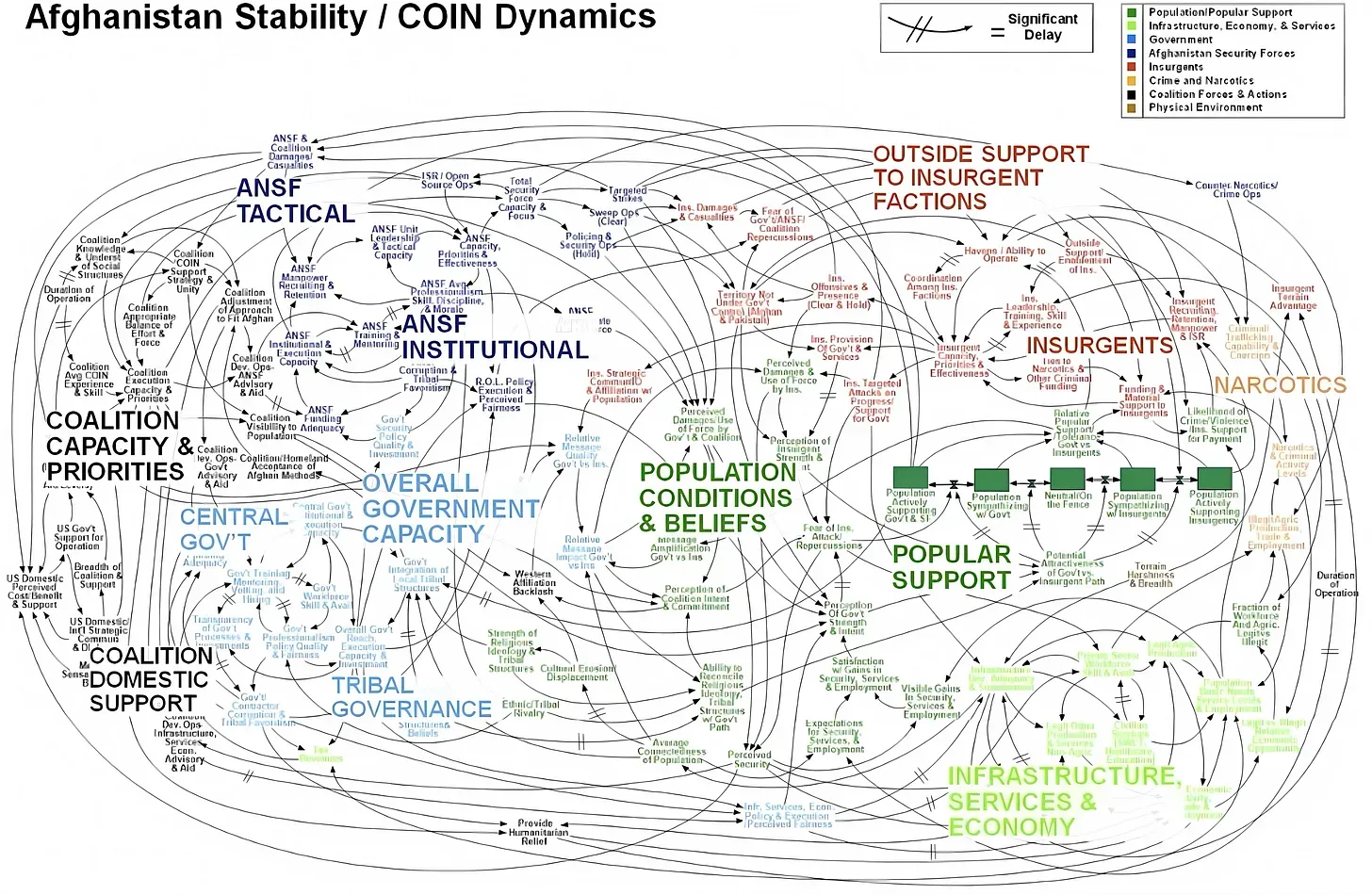
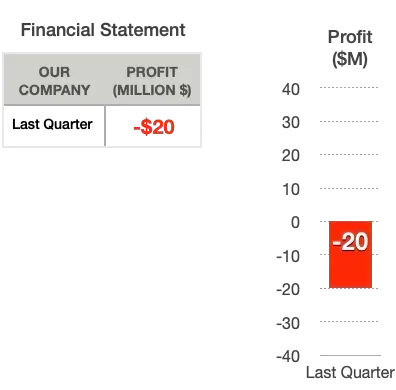 Bad, right? Worried?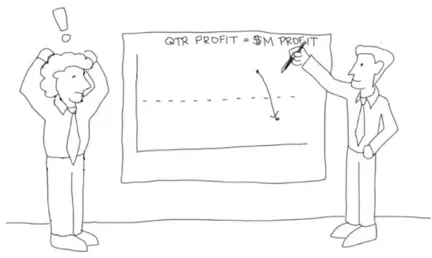
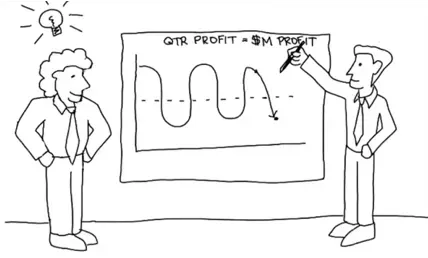 Now how do you feel?
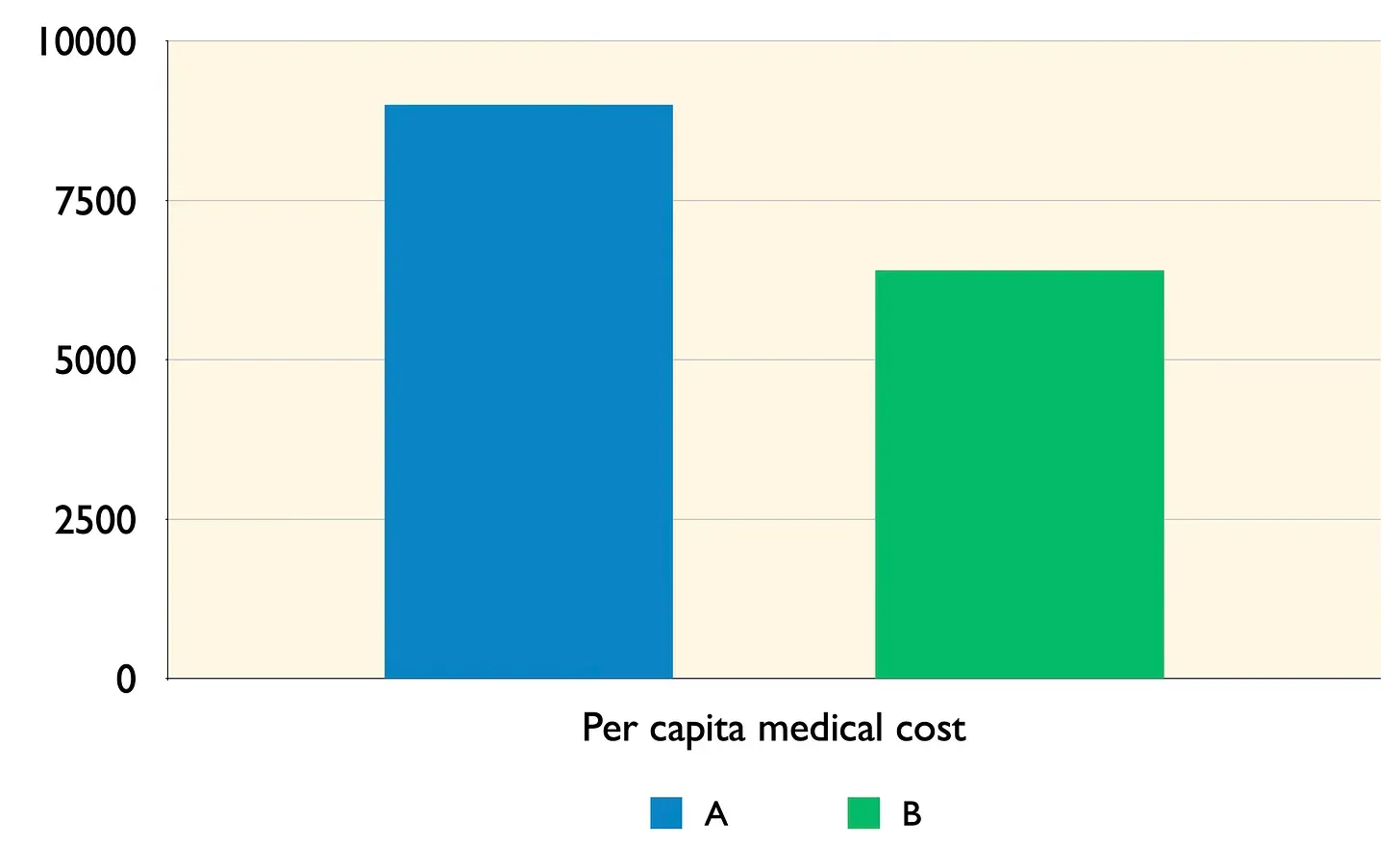
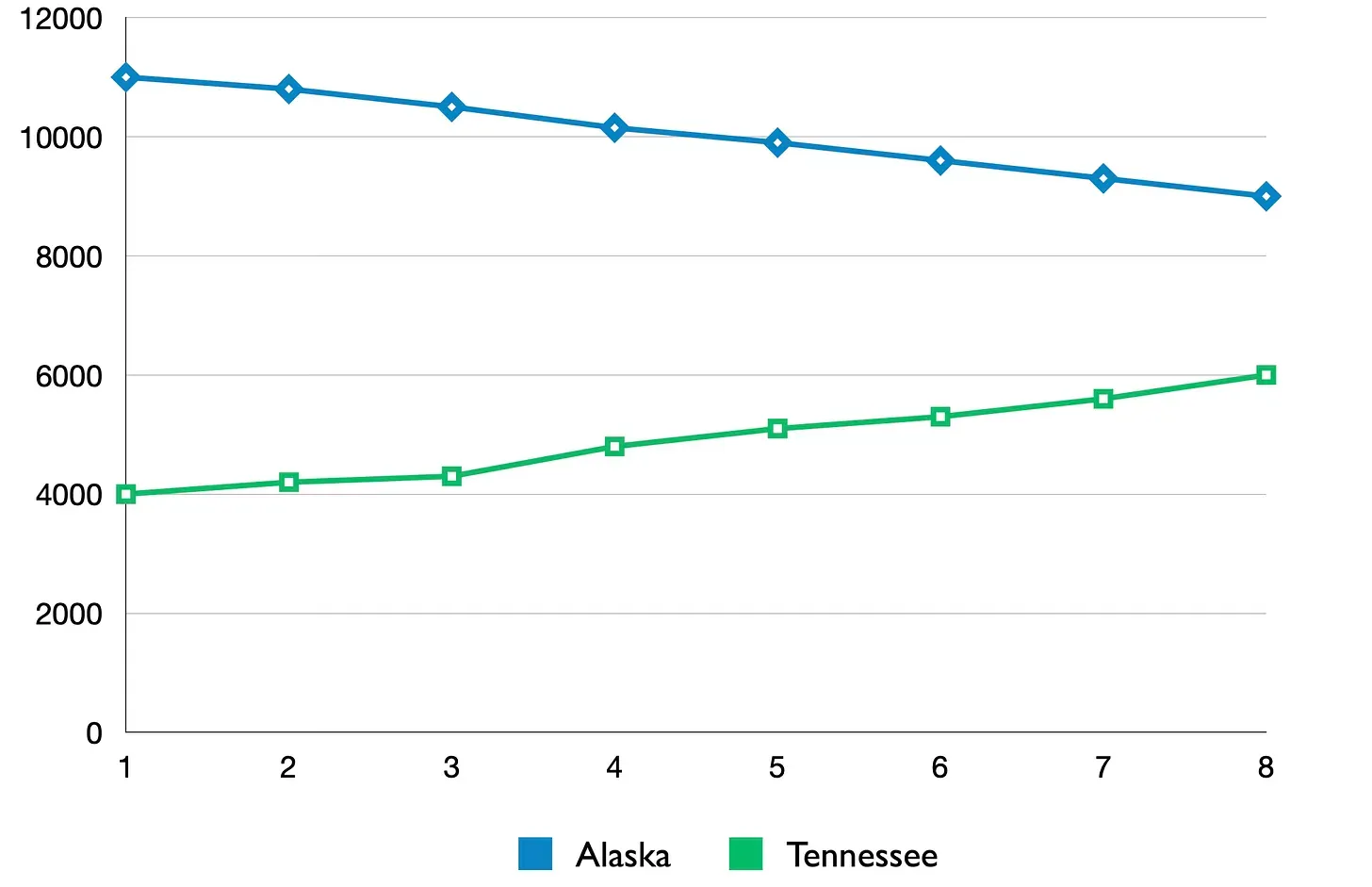

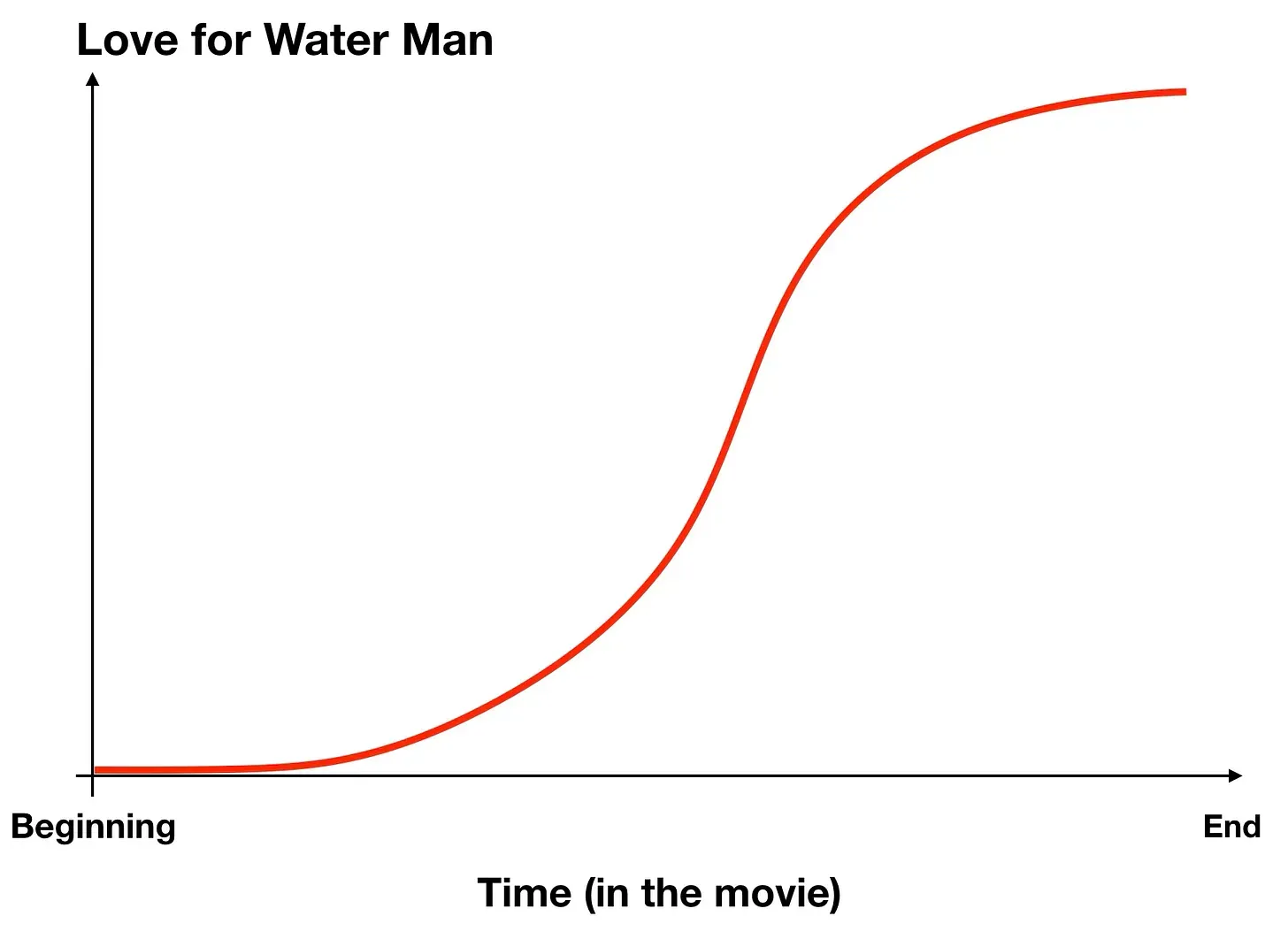
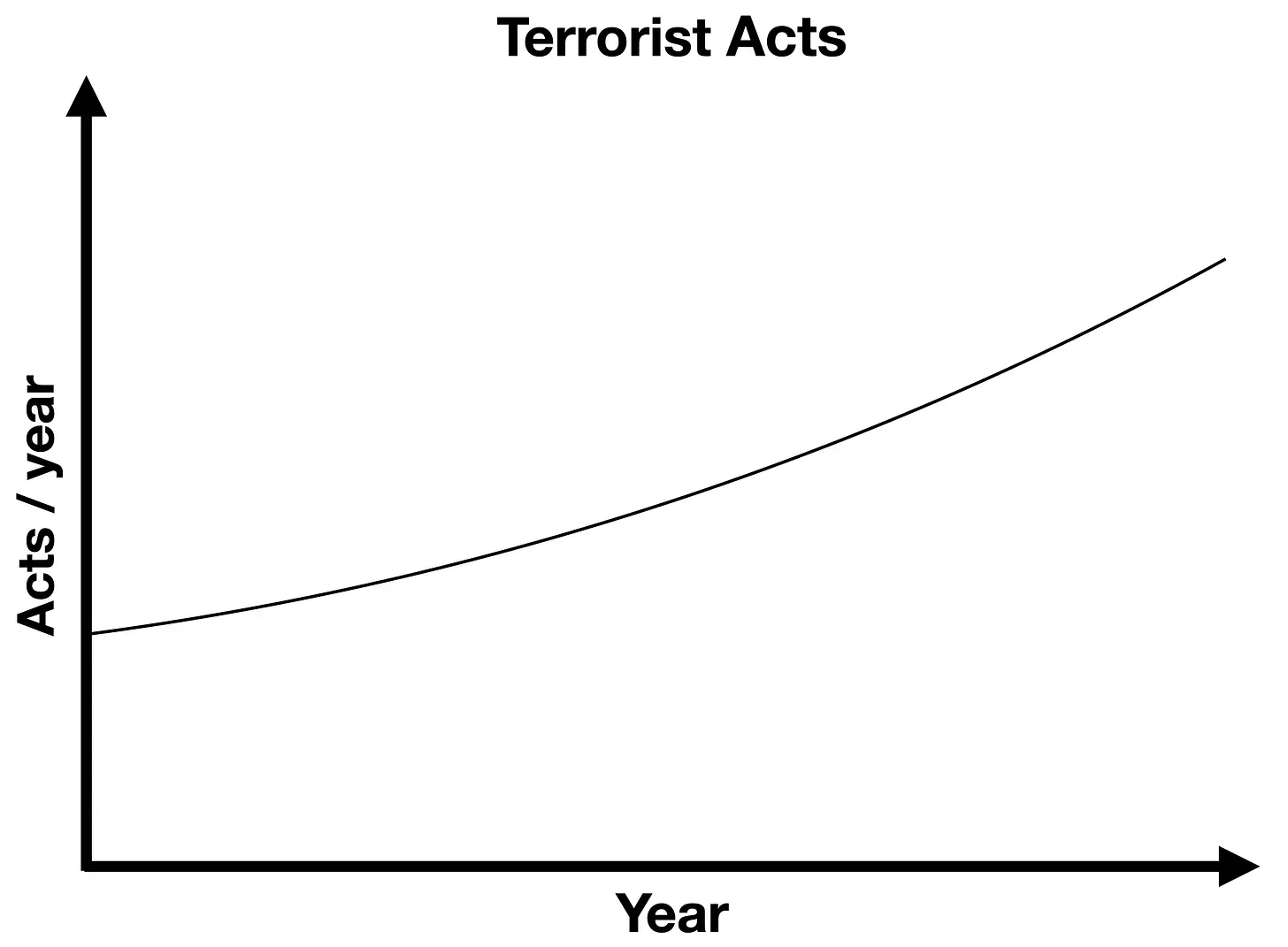
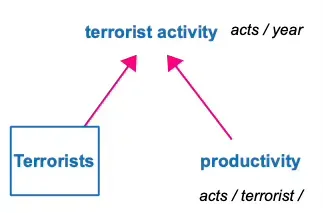 LINEAR Thinking would suggest that an intervention that kills terrorists would work to reduce terrorist activity. However, by applying FEEDBACK LOOP Thinking we can see it will likely kill people who are not terrorists; this will motivate more potential terrorists to enroll in terrorist organizations and eventually be trained to commit acts. This would create a nasty reinforcing feedback loop (R1) known as a vicious cycle.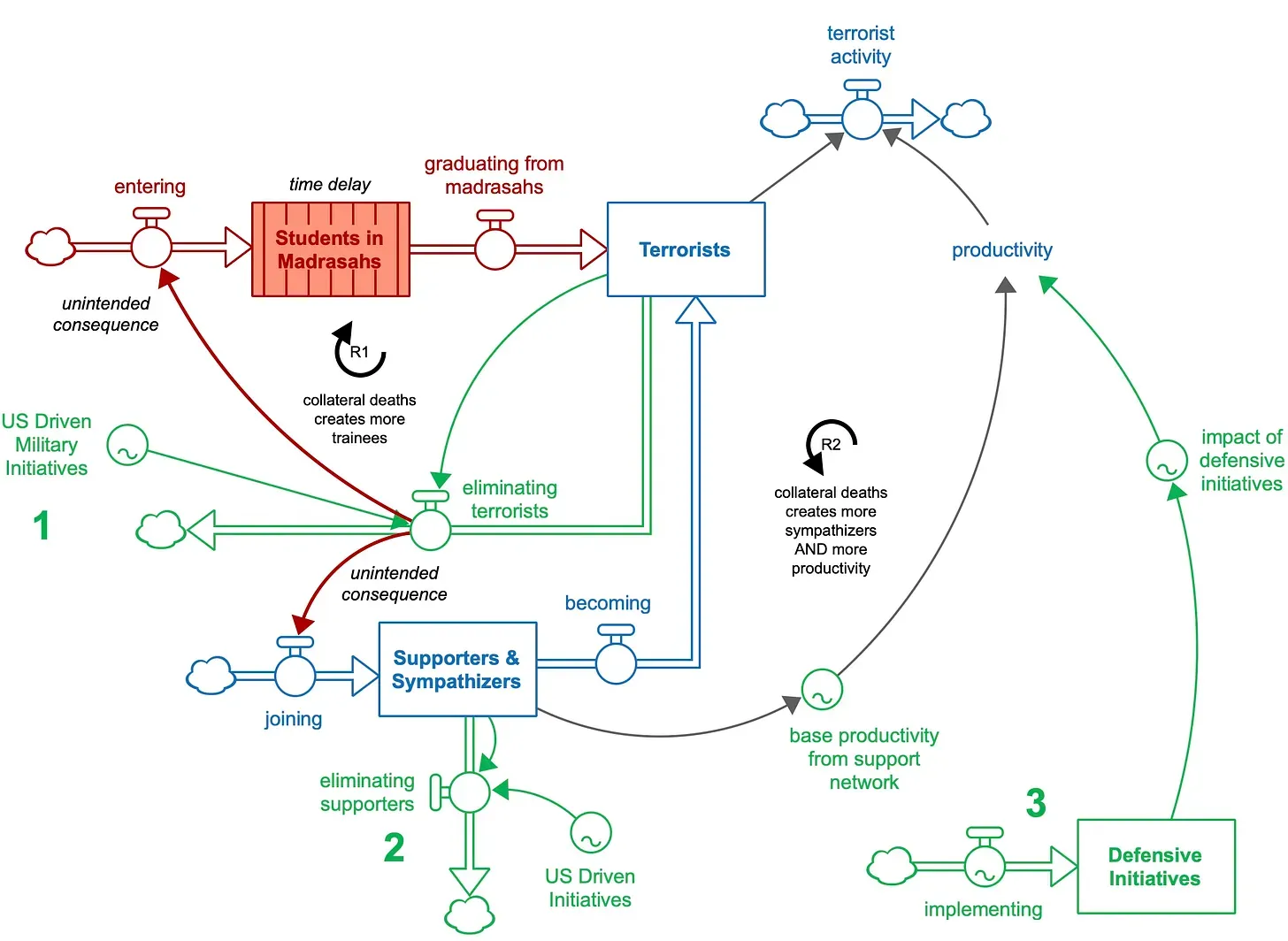



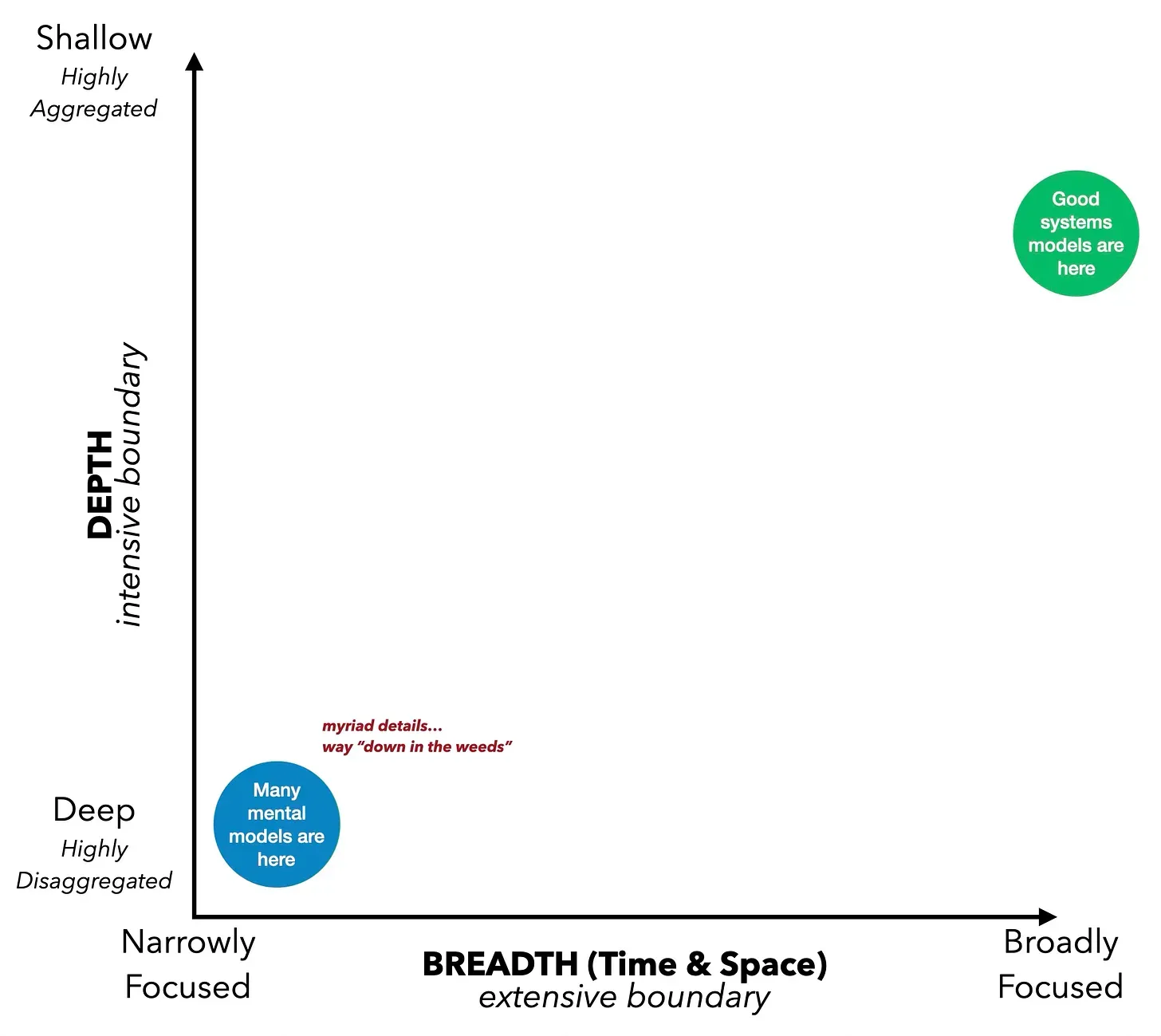
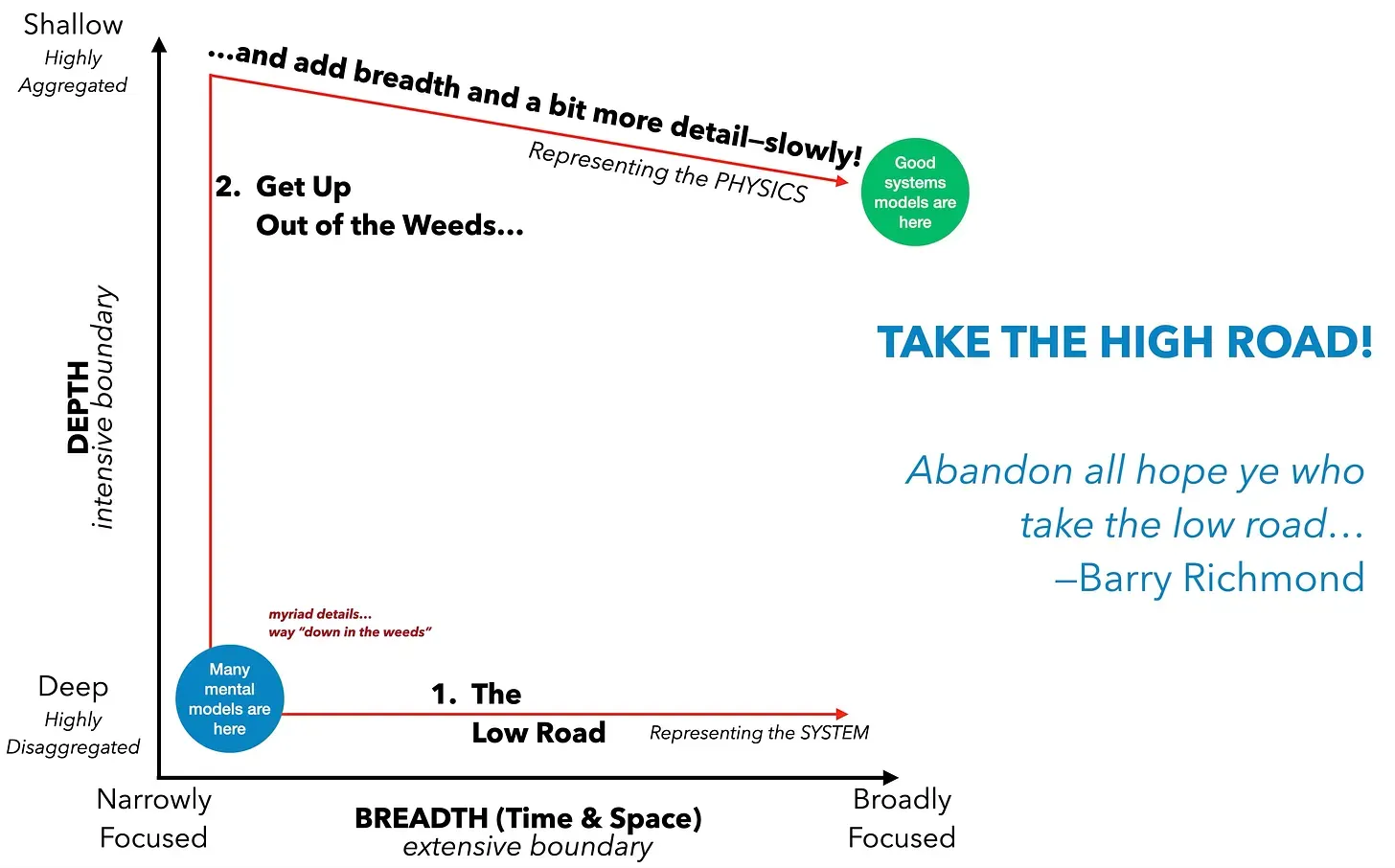 The High Road process involves sharing the initial “starter map” or “starter model” with others. Does it provide a clear explanation of why the performance issue is occurring? What changes or additions are needed? Make small adjustments and share the updated model for testing.